
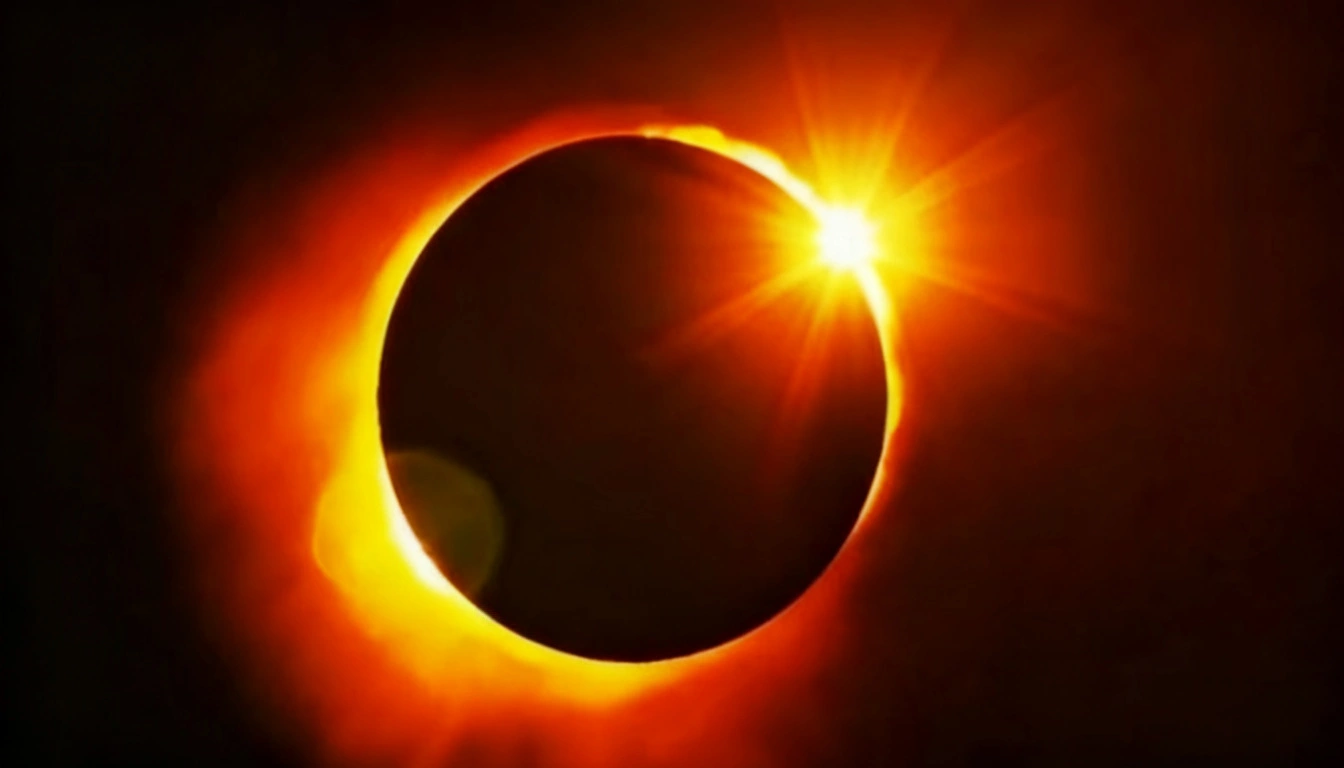
Imagine standing under a bright afternoon sky when suddenly daylight begins to fade, and the world around you slowly slips into darkness. In 2027, people across parts of Earth will witness one of the rarest astronomical events of this century as a total solar eclipse turns day into twilight for more than six minutes.
According to NASA, the total solar eclipse on August 2, 2027, will last up to 6 minutes and 23 seconds at its maximum point, making it the longest total solar eclipse of the 21st century. The last eclipse of this length was seen in 1991, and after 2027, a similar event will not occur again until 2114.
This makes the 2027 eclipse a once-in-a-lifetime experience for millions of skywatchers, photographers, and astronomy enthusiasts around the world.
Why Is This Solar Eclipse So Special?
Between 2026 and 2028, Earth will experience three total solar eclipses, but the August 2027 eclipse has attracted the most attention among scientists and eclipse observers.
During this event, the Moon will completely cover the Sun, creating several minutes of darkness during daytime. Experts believe the eclipse will provide one of the clearest visible views of the Sun’s corona, the glowing outer atmosphere that is normally hidden by sunlight.
NASA has already described it as the most significant and longest total solar eclipse of this century.
Darkness Will Last for 6 Minutes 23 Seconds.
NASA calculations show that the maximum duration of totality during the eclipse will reach 6 minutes and 23 seconds.
That is exceptionally long for a total solar eclipse. Most total eclipses last only a few minutes, which makes this event extremely rare.
The last time Earth witnessed a total solar eclipse lasting this long was in 1991. After 2027, the next eclipse with a comparable duration is expected in 2114.
For many people alive today, this may be the only opportunity to witness such an extraordinary celestial event.
Where Will the Eclipse Be Seen Best?
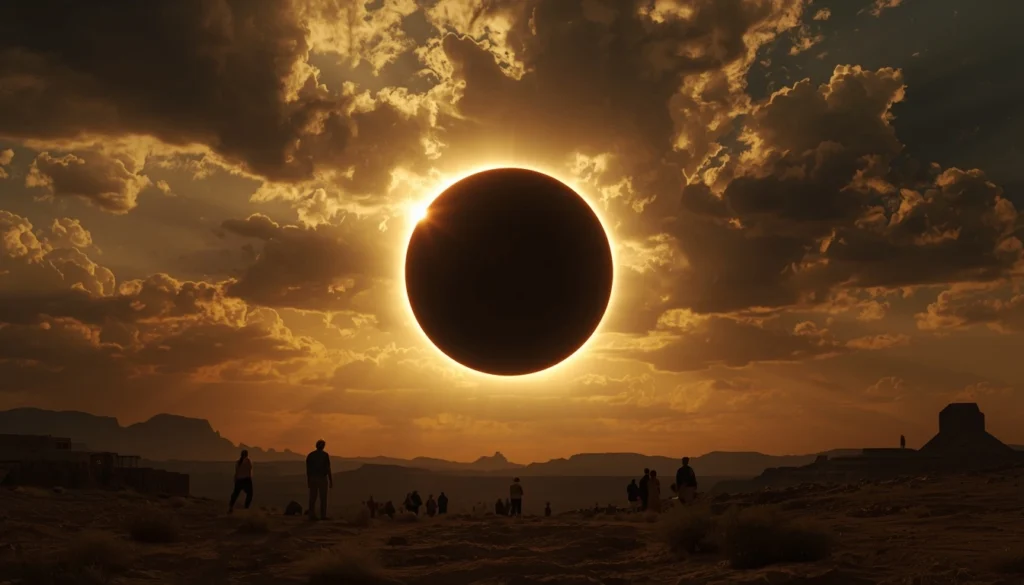
The path of totality will begin in southern Spain and continue across parts of North Africa before moving toward the Middle East.
Countries expected to experience the clearest views include:
- Spain
- Tunisia
- Libya
- Egypt
- Saudi Arabia
- Yemen
Among all locations, Luxor in Egypt is expected to become one of the main viewing hotspots.
In Luxor, the total eclipse is predicted to last around 6 minutes and 19 seconds. The experience may become even more remarkable because the eclipse will appear above famous ancient landmarks such as Karnak Temple and the Valley of the Kings.
Also Read This. :
10 Simple Mental Health Tips: Daily Habits to Reduce Stress, Anxiety & Emotional Burnout.
Best Locations to Watch the Eclipse
| Location | Estimated Duration |
|---|---|
| Luxor, Egypt | 6 minutes 19 seconds |
| Tunisia | More than 5 minutes |
| Southern Spain | Partial to total eclipse |
| Parts of the Middle East | Clear visibility expected |
Why Will This Eclipse Last So Long?
The reason behind the unusually long eclipse is linked to the Moon’s position and orbital mechanics.
A solar eclipse happens when the Moon moves between Earth and the Sun. If the Moon is closer to Earth during the event, it appears larger in the sky and can block the Sun for a longer period of time.
On August 2, 2027, the Moon will be close to its perigee, the point in its orbit where it is nearest to Earth.
Because of this, the Moon will appear slightly larger than usual and will cover the Sun for an extended duration.
Another important factor is that the eclipse path crosses regions where the Sun will appear very high in the sky, which slightly increases the duration of totality.
Scientists and Eclipse Enthusiasts Are Already Preparing
Astronomers, photographers, researchers, and travelers around the world are already planning for this rare event.
During a total solar eclipse, people may observe:
- The Sun’s corona becomes visible
- sudden dimming of daylight
- temporary temperature drops
- unusual animal behavior
- dramatic changes in sky colors
For many observers, total solar eclipses are not only scientific events but also deeply emotional and unforgettable experiences.
Important Safety Tips for Watching the Eclipse
Experts strongly warn people not to look directly at the Sun without proper eye protection.
Safe viewing methods include:
- using certified solar eclipse glasses
- attaching solar filters to cameras and telescopes
- avoiding direct viewing with the naked eyes
Proper protection is essential to prevent permanent eye damage.
Will the Eclipse Be Visible in India?
Based on current astronomical data, the 2027 total solar eclipse is not expected to appear as a complete eclipse across India. However, some regions may experience partial visibility depending on local viewing conditions.
Scientists continue to monitor visibility patterns as the event approaches.
The August 2, 2027, solar eclipse is expected to become one of the most remarkable astronomical events of the century. Watching daylight disappear for more than six minutes will be an unforgettable experience for millions of people around the world.
NASA has already classified it as the longest total solar eclipse of the 21st century, which explains why excitement around this event continues to grow globally.
For anyone interested in astronomy, space science, or rare celestial events, this eclipse may become one of the defining skywatching moments of a lifetime.