
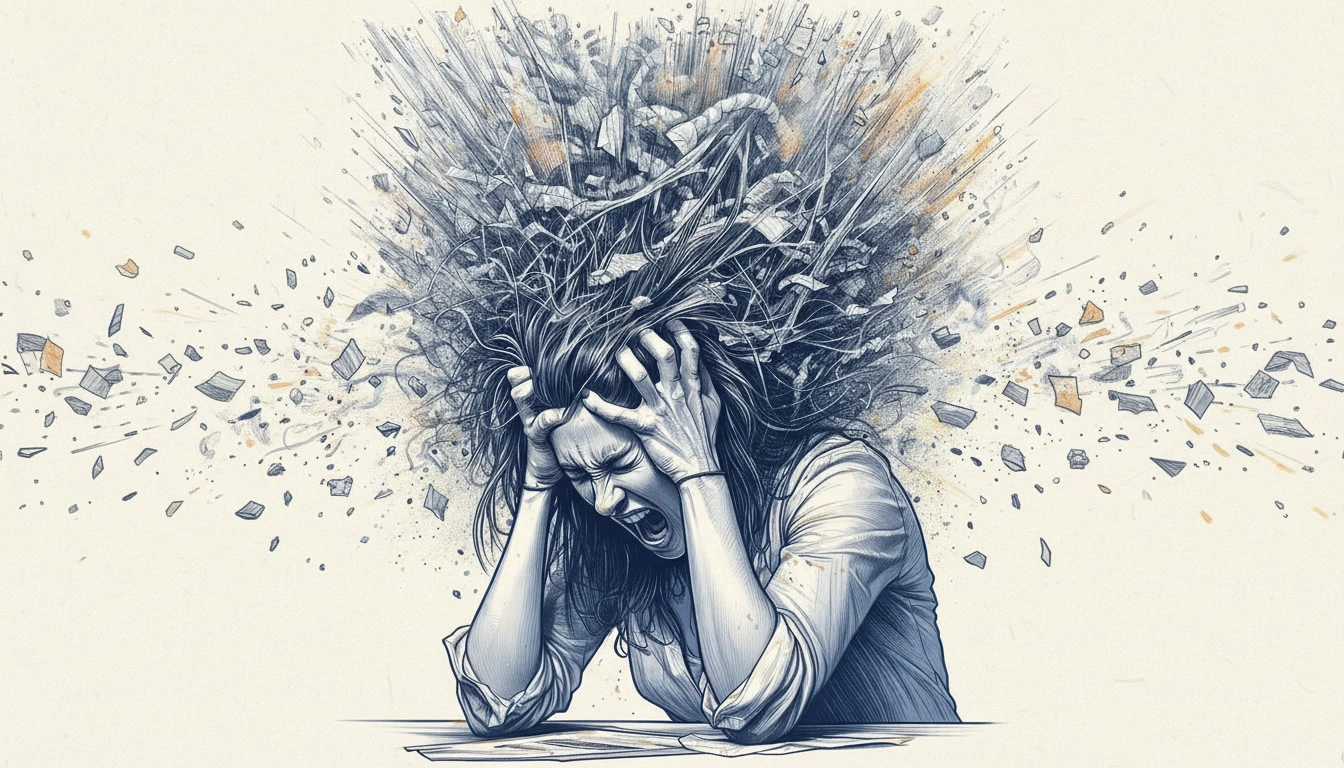
Mental Health is not just about surviving a hard week. It is about building small daily habits that help you stay calm, think clearly, and recover faster when life feels heavy. In a world where stress, anxiety, and emotional burnout often build quietly, the simplest routines can make a real difference.
Research and public health guidance both point to the same idea: sleep, movement, emotional connection, and mindful pauses can support steadier emotions and better coping over time. Even small lifestyle changes can help improve emotional balance and mental well-being naturally.
Today, mental health challenges are becoming one of the fastest-growing global concerns. Millions of people across different age groups are silently struggling with stress, anxiety, emotional exhaustion, and depression in their daily lives.

Important Research & Data
- 1 in 7 adolescents (10–19 years) globally experiences a mental disorder.
- By 2019, around 970 million people worldwide were living with mental disorders, with anxiety and depression being the most common. According to the latest estimates from the World Health Organization (WHO), this number has now risen to more than 1 billion people.
- Mental disorders account for roughly 1 in 6 years lived with a disability worldwide.
- People with severe mental-health conditions may die 10 to 20 years earlier than the general population.
- The economic impact of mental-health conditions is enormous, with productivity losses far exceeding direct treatment costs.
These numbers clearly show that mental health is no longer just a personal issue — it has become a major global health challenge affecting people, families, workplaces, and communities around the world.
The good news is that improving emotional well-being does not always require drastic life changes. Small daily habits can slowly create a healthier mindset, better emotional control, and stronger resilience over time.
This 2026 guide explores simple and realistic habits that may help support mental wellness, reduce emotional overload, and improve daily focus naturally.
What is mental health?

Mental health is much more than just the absence of mental illness. It is a state of overall well‑being in which a person can realize their own potential, cope with the normal stresses of life, work productively, and contribute meaningfully to their community.
In simple terms, mental health affects how we think, feel, and behave every day. It shapes how we handle pressure, build relationships with others, and make decisions. When mental health is strong, people generally feel hopeful, resilient, and connected; when it suffers, even small everyday challenges can feel overwhelming.
Mental health does not stay fixed all the time. It can change with life events, relationships, work conditions, and even the larger social environment. Social support, safety, dignity, and a sense of belonging are just as important to mental health as biological factors.
By understanding mental health as a positive state of well‑being — not only as a medical problem — we can start building lives, homes, schools, and workplaces that truly protect and nurture the mind.
Why does mental health need daily care?

Many people wait until they feel overwhelmed before paying attention to their mental state. That usually makes recovery harder, because stress does not always arrive in a dramatic way. It can build through poor sleep, constant pressure, loneliness, and too much screen time, until your mind starts feeling tired before your day even begins. A daily approach to mental health management works better because it supports your mind before things spiral.
Chronic stress can also affect the body in ways people often miss. Health guidance and research links stress to mood changes, sleep problems, concentration issues, and ongoing physical tension, which can feed anxiety and emotional burnout. That is why small habits matter more than people think.
Learn how to manage and overcome mental health challenges at home.
Mental stress, overthinking, anxiety, and emotional pressure have become a part of daily life for millions of people around the world. But the good news is that with the right awareness, small daily changes, and healthy habits, it is possible to improve your mental health from the comfort of your home. Sometimes, simply understanding your feelings, giving yourself time, and following the right steps can become the beginning of healing.
If you are also struggling with constant stress, negativity, low mood, or mental exhaustion, make sure to read these simple yet powerful mental health tips. Even one small change could help guide your life in a healthier and more positive direction.
10 Simple Mental Health Tips:

1. Maintain a Regular Sleep Schedule.
Good sleep is considered one of the strongest foundations of mental health. When the mind and body do not get enough rest, people often become more irritable, emotionally drained, anxious, and mentally exhausted. Lack of sleep can also increase stress levels and mood swings.
Try to sleep and wake up at roughly the same time every day. Reducing phone usage and screen time before bed may also help the brain relax more naturally.
2. Move Your Body Every Day.
Mental health is deeply connected to physical health. Even light physical activity can help reduce stress hormones and improve mood.
You do not need intense workouts or long gym sessions. Simple activities like:
- brisk walking,
- stretching,
- yoga,
- or light breathing exercises
can make a noticeable difference.
When the body stays active, the mind often feels lighter, calmer, and more emotionally balanced.
3. Follow Healthy Eating Habits.
What we eat affects not only the body but also emotional health and mood. Excessive junk food, sugar, and caffeine may sometimes increase irritability, anxiety, and energy crashes.
Try to include:
- fresh fruits,
- vegetables,
- whole grains,
- balanced meals,
- and enough water
in your daily routine.
Small healthy food choices can gradually support better emotional stability and mental clarity.
4. Take a Few Minutes of Quiet Time Daily.
Constant work pressure, notifications, and information overload can mentally exhaust the brain. That is why taking a few quiet minutes for yourself each day is important.
Spending 5–10 minutes on:
- deep breathing,
- meditation,
- mindfulness,
- or simply sitting quietly
can help calm the nervous system.
Over time, this habit may help reduce anxiety, emotional tension, and overthinking.
5. Write Down Your Feelings.
Many people struggle to openly talk about their emotions. In such situations, journaling or writing down feelings can become a healthy emotional outlet.
Take a few minutes daily to write:
- how you felt,
- what stressed you,
- or what made you feel better.
Sometimes writing helps organize emotional confusion and makes difficult feelings easier to understand.
6. Do Not Hesitate to Seek Support.
When people go through emotional stress, they often begin feeling isolated and alone. Talking honestly with a trusted friend, family member, or supportive person can help reduce emotional heaviness.
Sometimes simply feeling understood by someone can become the first step toward emotional healing.
7. Break Big Tasks Into Smaller Steps.
When responsibilities start feeling overwhelming, the mind can quickly become mentally overloaded. Instead of focusing on the entire problem at once, try dividing tasks into smaller, manageable steps.
Example:
If a large project feels stressful, begin with a small 15-minute task instead of trying to complete everything at once.
Completing small steps gradually builds confidence and reduces mental pressure.
8. Reduce Social Media and Negative News Consumption.
Constant exposure to social media comparisons and negative news can mentally exhaust the brain. Continuous information overload keeps the nervous system in a state of stress and alertness.
Taking short digital breaks by:
- putting the phone away,
- reducing unnecessary scrolling,
- or limiting negative content
can help improve mental calmness and emotional balance.
Many people notice reduced stress levels after spending less time online.
9. Prioritize Positive and Safe Relationships.
The people around us strongly influence our emotional well-being. Relationships built on:
- understanding,
- respect,
- emotional safety,
- and support
can strengthen mental health.
On the other hand, constantly staying in toxic or emotionally draining environments may increase stress and emotional burnout.
10. Never Feel Ashamed to Seek Professional Help.
If feelings like:
- sadness,
- anxiety,
- fear,
- emotional numbness,
- or mental exhaustion
continue for a long time and begin affecting daily life, seeking professional help may be important.
Talking to a counselor, psychologist, or mental health professional is not a sign of weakness. It is a healthy and responsible form of self-care.
Just as people visit doctors for physical health problems, seeking support for mental health should also be considered normal.

Final Thought
Many people ignore mental health until the situation becomes overwhelming. But caring for mental well-being often begins with small daily habits.
Sometimes:
- better sleep,
- supportive relationships,
- a few quiet moments,
- and learning to understand yourself
can create meaningful emotional change over time.
Remember:
“Just as caring for the body is important, caring for the mind is equally important.”
Mental health struggles often stay invisible because most people silently deal with stress, anxiety, emotional exhaustion, or overthinking without talking about it. Sometimes even small daily habits can slowly change the way we feel, think, and handle life.
If any part of this article felt relatable to you, you are definitely not alone.
You can share your thoughts, experiences, or the habit that helps you stay mentally strong in the comments — your story might help someone else feel understood too.
And if you want more practical, science-backed, and easy-to-understand mental health content that can genuinely improve daily life, make sure to visit again because sometimes the smallest insight can make the biggest difference.